The Importance of Grounding for Mental Health
February 12, 2026 | by melanierosemberg@gmail.com

Understanding Grounding Techniques
Grounding techniques are practical strategies that individuals can utilize to anchor themselves in the present moment, especially when faced with overwhelming emotions or anxiety. These approaches help divert attention from distressing thoughts and feelings, thereby promoting emotional regulation and mental well-being. By creating a connection to the here and now, grounding techniques serve as invaluable tools in mental health management.
One common method of grounding is deep breathing. This technique involves focusing on slow and intentional breaths, which can induce a state of calm and relaxation. By concentrating on the breath, individuals can create a pause that allows them to detach from anxious thoughts, making deep breathing an effective tool for immediate relief. These Pulsetto devices can be quite helpful in supporting your vagus nerve activity.

- Feel Calm in Minutes – Experience soothing relaxation and renewed balance with quick, 4-10 minute sessions. Pulsetto hel…
- Encourages Relaxation and Balance – Pulsetto’s innovative wearable design gently supports vagus nerve activity, promotin…
- Your Personal Zen, Anytime, Anywhere – With the intuitive Pulsetto App, tailor your experience for relaxation or better-…


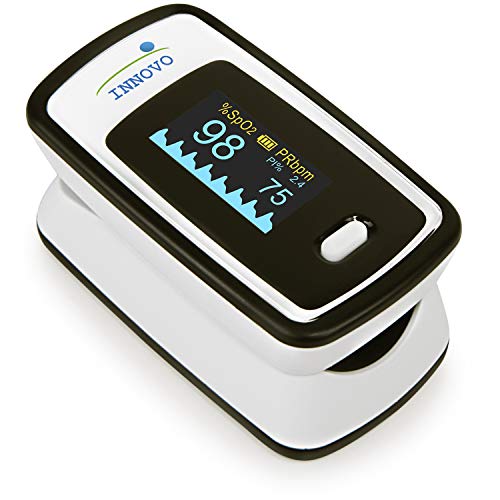
Another popular technique is visualization. This method encourages individuals to create a mental image of a peaceful scene or a safe place. Engaging in visualization helps to redirect the mind away from stressors and centers attention on a soothing mental landscape. It is beneficial for fostering feelings of safety and tranquility.
Sensory engagement is also a widely used grounding technique. This involves focusing on the five senses—sight, sound, touch, taste, and smell—to enhance awareness of the present environment. For instance, one might describe objects in the room, listen to ambient sounds, or savor a favorite snack. This practice reinforces mindfulness and encourages individuals to immerse themselves in their surroundings.
These grounding techniques are often accessible and can be practiced by individuals at any time, making them practical solutions for those aiming to improve their mental health. Whether through breathing exercises, visualization, or sensory experiences, these methods offer various avenues for fostering resilience against anxiety and emotional distress.
The Psychological Benefits of Grounding
Grounding techniques have been recognized for their significant psychological benefits, particularly in the realms of anxiety reduction, stress management, and emotional regulation. At its core, grounding helps individuals to anchor themselves in the present moment, effectively diminishing the tendency to ruminate over past experiences or future uncertainties. This focus on the here and now serves as a powerful antidote to the overwhelming thoughts that often accompany anxiety and stress.
Research has demonstrated that grounding techniques can lead to measurable reductions in anxiety. For instance, studies have shown that individuals who consistently practice grounding report lower anxiety levels and improved general mental health. These techniques often involve simple practices such as deep breathing exercises, mindfulness, or engaging with one’s physical surroundings, which contribute to reminding the individual of their current reality and reinforcing a sense of safety and stability.
Moreover, grounding has been linked to enhanced emotional regulation. By focusing on immediate, tangible sensations—such as feeling one’s feet on the ground or the texture of an object—individuals can create a buffer against emotional distress. This process makes it easier to manage immediate reactions, allowing for a more thoughtful response to situations rather than impulsive reactions driven by heightened emotional states. Mental health professionals advocate for the inclusion of grounding techniques in therapeutic practices, with many testimonials underscoring its efficacy. These endorsements, alongside scientific studies, highlight the role of grounding as a valuable tool for fostering psychological resilience.
In essence, grounding is not merely a technique; it is a transformative approach that equips individuals with the capability to navigate life’s challenges with greater emotional balance and mental clarity. By consistently engaging in grounding practices, one may ultimately enhance their overall psychological well-being.
Grounding and Emotional Resilience
Grounding techniques are increasingly recognized for their profound impact on emotional resilience, enabling individuals to build a robust mindset capable of withstanding life’s challenges. Emotional resilience refers to the ability to adapt well in the face of adversity, trauma, tragedy, and significant stress. Integrating grounding practices into daily routines can significantly enhance this capacity.
Grounding practices involve focusing on the present moment, which can help individuals detach from overwhelming emotions and negative thoughts. Common techniques include deep breathing exercises, mindfulness meditation, and physical activities such as yoga or tai chi. These practices assist in cultivating awareness of one’s body and surroundings, promoting a sense of safety and stability.
To effectively incorporate grounding methods into one’s daily life, consistency is key. Setting aside a few minutes each day for grounding activities can lead to significant improvements in mental health over time. For instance, individuals may find it beneficial to engage in breathing exercises or mindful walking during their morning routine. This proactive approach not only alleviates stress but also fortifies emotional resilience.
Real-life case studies illustrate the effectiveness of grounding in building a resilient mindset. For example, a young professional experiencing workplace stress reported improved focus and reduced anxiety after practicing grounding techniques regularly. By implementing deep breathing sessions and mindfulness practices, they enhanced their ability to navigate challenging situations during high-pressure periods at work.
Additionally, individuals recovering from traumatic experiences have found solace in grounding methods. By anchoring themselves in the present moment, they cultivated the strength to confront their emotions and rebuild their sense of self. These transformative experiences emphasize the inherent value of grounding practices in fostering emotional resilience and improving overall mental health.
How to Practice Grounding Daily
Incorporating grounding techniques into your daily routine is an effective way to enhance your mental health. By recognizing signs of stress or anxiety—such as racing thoughts or feelings of disconnection—you can identify when you require grounding. Awareness is the first step, allowing you to consciously implement grounding strategies.
Choosing the right technique can depend on your specific situation and personal preferences. Techniques may vary from deep breathing exercises, mindful walking, or engaging in sensory activities. For instance, if you are feeling overwhelmed at work, a simple task such as focusing on your breathing or listening to calming music can effectively ground you.
Ensuring you have a consistent practice is vital for experiencing the benefits of grounding. Set aside dedicated time in your daily schedule—perhaps during a morning routine, break times, or before bed. Consistency will help build a habit, allowing grounding to become a natural part of your life.
Creating a conducive environment is also essential. Designate a peaceful space in your home where you can practice grounding techniques without distractions. This space could be a corner with comfortable seating, soft lighting, or calming decorations that promote relaxation.
Lastly, consider adapting grounding methods to suit your lifestyle. For example, if you have a busy schedule, quick grounding exercises such as focusing on your senses—identifying what you can see, hear, touch, or smell—can be effective even in a hectic environment. By tailoring grounding techniques to your life, you can ensure they are practical, accessible, and beneficial. I find grounding mats to be equally effective.
Please enter product(-s) ASIN(-s)!