

Top 5 Things You Need to Calm Down Your Nervous System
February 12, 2026 | by melanierosemberg@gmail.com

Understanding the Nervous System: A Brief Overview
The nervous system is a complex network of nerves and cells that transmits signals between different parts of the body. It plays a crucial role in regulating bodily functions and enabling communication between the brain and the rest of the body. The nervous system is primarily divided into two major systems: the sympathetic and parasympathetic systems, which are key components of the autonomic nervous system.
The sympathetic nervous system is often referred to as the “fight or flight” system. It is activated in response to perceived threats, preparing the body for quick reactions by increasing heart rate, dilating pupils, and redirecting blood flow to essential organs and muscles. This physiological response is necessary for survival in threatening situations. However, when the sympathetic system is activated too frequently, often due to chronic stress, it can lead to adverse health effects such as anxiety, hypertension, and weakened immune response.
On the other hand, the parasympathetic nervous system is known as the “rest and digest” system. It promotes relaxation and recovery, allowing the body to conserve energy and perform functions that are essential for maintenance as well as for healing. During periods of calm, the parasympathetic system helps to lower the heart rate, increase digestive tract activity, and facilitate bodily repair processes. An imbalance between these two systems—often due to chronic stress—can lead to a state of heightened arousal and reduced ability to relax, which is why calming the nervous system is vital for overall health.
Understanding the distinctions and functions of the sympathetic and parasympathetic systems highlights the importance of managing stress and restoring balance. By taking measures to calm the nervous system, individuals can improve their overall well-being and enhance their capacity to cope with daily stressors.
Mindful Breathing Techniques
Mindful breathing techniques serve as effective tools for calming the nervous system, promoting relaxation and reducing stress. The physiological benefits of these methods are well-documented, as they help to activate the parasympathetic nervous system, which plays a critical role in restoring the body to a state of calm.
One widely recognized technique is diaphragmatic breathing, also known as abdominal or deep breathing. This method involves focusing on expanding the diaphragm rather than shallow breathing from the chest. To practice this technique, find a comfortable seated or lying position. Place one hand on your chest and the other on your abdomen. Inhale deeply through your nose, ensuring that your abdomen rises more than your chest. Exhale slowly through pursed lips, allowing your abdomen to fall. This process encourages greater oxygen intake and helps in reducing overall tension.
Another beneficial method is 4-7-8 breathing. This technique, developed by Dr. Andrew Weil, involves inhaling for a count of four, holding the breath for seven counts, and then exhaling for eight counts. This structured breathing pattern can help to promote relaxation while reducing anxiety levels. It is recommended to practice this method at least twice per day for maximum benefits.
Lastly, box breathing, often used by athletes and military personnel, is another effective practice. This technique consists of inhaling for four counts, holding for four counts, exhaling for four counts, and holding again for four counts before repeating. The rhythmic nature of box breathing can be particularly soothing for the nervous system, providing a sense of stability and control.
Incorporating these mindful breathing techniques into your daily routine can significantly enhance your ability to manage stress and improve overall well-being. Set aside a few minutes each day to practice these methods, and you may soon notice a marked difference in your mental clarity and emotional resilience. This essential oil diffuser is my absolute favorite. It helps me breathe and ease into relaxation.

- 4 in 1 Aromatherapy Diffuser : Our product integrates the functions of an aromatherapy diffuser, Himalayan salt lamp, ni…
- Himalayan Pink Salt Lamp: JJNJJN oil diffusers are made from unprocessed Himalayan Saltstone that safely releases trace …
- 9 Colors LED and Simulated Flame Effect: Salt lamps and essential oils for diffuser with 9 adjustable colors and automat…



The Power of Nature: Ecotherapy
Engaging with natural environments has been widely recognized for its positive impact on mental health and overall well-being. Ecotherapy otherwise known as nature therapy, harnesses the therapeutic benefits of spending time outdoors, providing an effective mechanism for calming the nervous system. Numerous scientific studies have demonstrated that immersion in nature can reduce cortisol levels—the hormone associated with stress—while simultaneously enhancing mood and fostering relaxation.
For instance, a study published in Environmental Health and Preventive Medicine found that individuals who walked in natural settings exhibited significantly lower levels of anxiety compared to those who walked in urban environments. This phenomenon is often attributed to the sensory experiences offered by nature, such as the soothing sounds of rustling leaves, the scattering of sunlight through trees, and vibrant colors of flowers—elements that can foster a deep sense of peace.
Incorporating nature walks and outdoor activities into your routine can be an integral step toward calming the nervous system. Simple actions, such as taking a stroll through a park, hiking a nearby trail, or gardening, can provide immediate support to mental health. Aim to set aside time each week to step into nature, even if it is just for a brief period. Try to observe the various aspects of the surroundings, including the textures of leaves, the freshness of the air, and the tranquility of your environment. Such mindful engagement can enhance the calming benefits.
Additionally, consider incorporating practices like forest bathing (Shinrin-yoku), which encourages individuals to immerse themselves in the natural atmosphere, allowing them to breathe deeply and connect with the environment. These interactions not only help in reducing stress but also promote a sense of belonging and connection with the Earth. Through the practice of ecotherapy, one can unlock a powerful tool for stress relief, leading to a healthier and more balanced life. These are my favorite products I use on a walk.
The Role of Nutrition in Nervous System Health
Nutrition plays a fundamental role in maintaining the health of the nervous system. A balanced diet rich in specific nutrients can significantly impact stress levels and overall well-being. One of the key nutrients essential for optimal nerve function is omega-3 fatty acids. These essential fats, found abundantly in fatty fish such as salmon and mackerel, are known to support neuronal function and reduce inflammation. Including omega-3-rich foods can help promote a calming effect on the nervous system, thereby enhancing relaxation.
Magnesium is another vital mineral that contributes to nervous system health. It acts as a natural relaxant by regulating neurotransmitter function. Foods high in magnesium, such as leafy greens, nuts, and whole grains, can help lower stress levels and promote a sense of calm. Ensuring adequate magnesium intake through these foods can be beneficial for those experiencing anxiety or stress.
Antioxidants are also critical for protecting the nervous system from oxidative stress, which can adversely affect neuronal health. Fruits and vegetables, particularly those rich in vitamins C and E, like blueberries, spinach, and avocados, can enhance antioxidant defenses. These foods help combat oxidative damage and reduce inflammation, thereby supporting a healthy nervous system. A super easy way to see if your body is absorbing these vitamins effectively, its this 5strands test.

- IDENTIFY KEY VITAMINS & MINERALS YOU MAY NOT BE PROPERLY ABSORBING. When your body isn’t properly absorbing the key vita…
- TESTS 112 VITAMINS, MINERALS & TRACE ELEMENTS. Our nutrition test analyzes your hair sample’s response across Vitamins A…
- HOW OUR TESTING WORKS. 1) Register your test online or in the 5Strands app. 2) Collect 10 to 15 strands of hair. 3) Mail…
Hydration plays an equally important role in maintaining nervous system health. Dehydration can lead to cognitive decline and increased irritability. Consuming adequate amounts of water and hydrating foods—such as cucumbers, oranges, and melons—can help ensure the nervous system operates smoothly. The importance of hydration cannot be overstated, as it impacts overall brain function and mood regulation. There are so many types of water bottles on the market but my favorite by far is the Owala bottle.

- 24-ounce insulated stainless-steel water bottle with a FreeSip spout and push-button lid with lock
- Patented FreeSip spout designed for either sipping upright through the built-in straw or tilting back to swig from the s…
- Protective push-to-open lid keeps spout clean; convenient carry loop doubles as a lock



In conclusion, incorporating omega-3 fatty acids, magnesium-rich foods, antioxidants, and maintaining hydration are practical dietary suggestions that can advocate for nervous system health. A diet that supports these aspects can serve as a foundation for relaxation and stress reduction, fostering a balanced and healthy nervous system.
Please enter product(-s) ASIN(-s)!Movement and Relaxation: The Benefits of Exercise
Physical activity is essential for maintaining a balanced nervous system. Engaging in regular exercise can significantly reduce anxiety levels and promote relaxation. Various forms of movement, including yoga, tai chi, and even simple walking, have been shown to facilitate this process, allowing individuals to calm their nervous systems naturally.
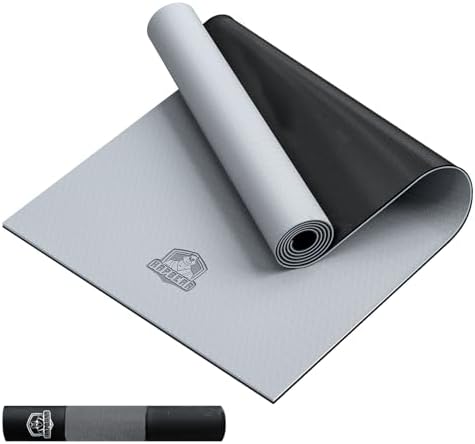
Yoga, for instance, combines physical postures with deep breathing techniques, which help regulate the body’s stress response. The slow, deliberate movements encourage mindfulness and reduce the production of stress hormones. As one transitions from a state of tension to one of relaxation, yoga can lead to a significant decrease in anxiety, resulting in an overall sense of well-being. My favorite Gaiam yoga mat of all time comes in very handy!

- Premium Performance Mat for Every Practice: Built for yoga, Pilates, stretching, and fitness routines, this Gaiam Dry Gr…
- Moisture-Wicking Grip for Sweaty Sessions: Designed with a unique moisture-wicking topcoat, this non-slip Pilates mat he…
- Cushioned Support for Joints and Stability: The rubber exercise mat provides cushioning and support for hands, feet, kne…

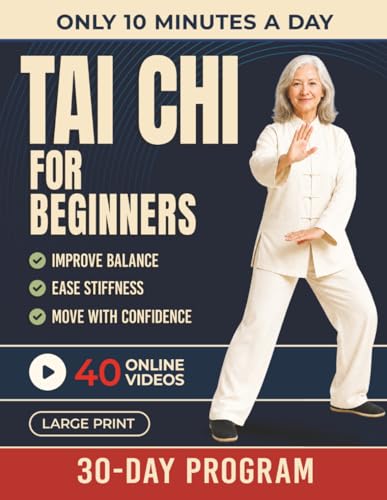
Similarly, tai chi, often described as “meditation in motion,” promotes relaxation through gentle, flowing movements. This practice focuses on the internal energy flow, or “qi,” and emphasizes controlled breathing, which helps to decrease physiological symptoms of stress. The meditative aspect of tai chi invites a serene mindset, allowing practitioners to connect deeply with their bodies and the present moment.
Furthermore, brisk walking or engaging in moderate aerobic exercise can have profound effects on the nervous system. These activities not only trigger the release of endorphins, often referred to as ‘feel-good’ hormones, but they also enhance circulation and oxygen supply to the brain. This improved blood flow is key in helping manage anxiety and tension effectively.
Incorporating these types of movement can foster significant emotional and physical benefits. As individuals find their preferred methods of exercise, they will likely discover a pathway to not only calm their nervous systems but also enhance overall resilience against stressors.
Establishing a Restful Sleep Routine
Establishing a restful sleep routine is crucial for maintaining the health of the nervous system. Sleep plays an essential role in both physical and emotional well-being, allowing the body to repair itself and consolidating memory and emotional processing. Inadequate sleep can lead to increased stress levels, anxiety, and decreased emotional regulation. Therefore, developing a calming bedtime ritual is paramount for promoting restorative sleep.
To begin, prioritize a consistent sleeping schedule by going to bed and waking up at the same time every day, even on weekends. This regularity helps to regulate the body’s internal clock, promoting a natural sleep-wake cycle. Moreover, creating a tranquil environment in your bedroom can significantly enhance sleep quality. Consider dimming the lights, decreasing noise, and controlling the room temperature to create a conducive atmosphere for rest.
Incorporating sleep hygiene practices into your routine is also beneficial. Limit exposure to screens from phones, televisions, and computers at least an hour before bedtime, as the blue light emitted can interfere with melatonin production, making it harder to fall asleep. Instead, engage in calming activities such as reading a book, practicing meditation, or taking a warm bath, all of which can help signal to your nervous system that it is time to unwind.
Furthermore, pay attention to your diet and avoid large meals, caffeine, and alcohol close to bedtime, as these can disrupt your sleep patterns. Remember that adequate rest supports not just physical recovery but also emotional regulation, making it easier to manage stress and anxiety. As you work on establishing this routine, you will likely notice a significant improvement in your overall emotional and mental health.

- ESSENTIAL OIL BLEND: Soak in a blend of relaxing and rejuvenating essential oils
- PREPARE FOR SLEEP: A blend of Melatonin, lavender & chamomile essential oils help calm the mind for a good night’s sleep
- MULTI-PURPOSE SPRAY: Use on your pillow, in the shower, on your body, or in your bedroom
Utilizing Mindfulness and Meditation
Table not found.In today’s fast-paced world, the practice of mindfulness and meditation has emerged as a vital approach to calm the nervous system. These techniques foster non-judgmental awareness of the present moment, enabling individuals to manage stress and anxiety effectively. Numerous studies indicate that regular mindfulness practices not only reduce physiological symptoms associated with stress but also improve overall mental well-being.
One popular form of meditation is loving-kindness meditation, which encourages practitioners to cultivate feelings of compassion and love towards themselves and others. This technique involves silently repeating phrases that wish goodwill and kindness for oneself and those around. By doing so, individuals can diminish negative emotions and increase their capacity for empathy, thereby calming their nervous systems.
Another effective mindfulness strategy is the body scan meditation. This practice guides participants to focus on different body parts, noting any sensations without judgment. By concentrating on bodily experiences, individuals can become acquainted with tensions and discomforts, facilitating relaxation and self-awareness. It’s particularly beneficial for those who may struggle with anxiety since it directs attention away from racing thoughts.
Guided imagery, where an individual visualizes peaceful scenes or scenarios, allows for a mental escape, providing substantial relief from stress. By using audio recordings or scripts, individuals can immerse themselves in a calming landscape, creating a mental sanctuary that helps soothe an overactive nervous system.
For beginners, it is recommended to start with short sessions of five to ten minutes each day. Gradually increasing duration as one becomes more comfortable with the practice can lead to a more profound impact on tranquility. Keeping a dedicated space for these practices and utilizing resources such as apps or local classes can also enhance one’s mindfulness journey. In my space, I always keep my Gaya grounding mat.
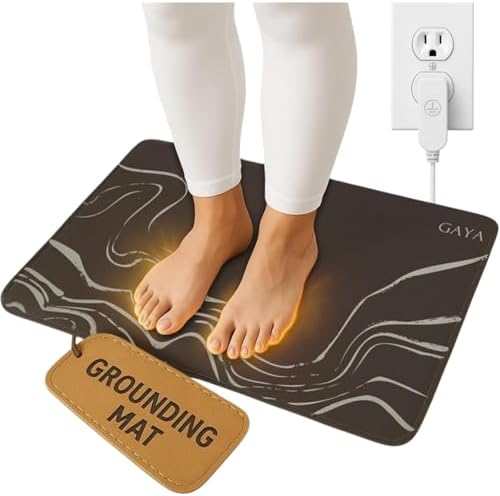
- ACHIEVE DEEP SLEEP: Experience improved sleep, and muscle relaxation with our 24×16 inches (40×60 cm) Grounding Mat. It …
- SAFE & TESTED – 100K OHM RESISTOR: Built-in resistor protects against electrical surges for safe daily use. Premium 3-la…
- EASY 2-STEP SETUP – Snap cord into mat corner, plug into grounded outlet (no adapters needed for US/Canada). 15-foot cor…
Creating a Personalized Relaxation Plan
Please choose display type!Developing a personalized relaxation plan is an essential step toward calming your nervous system effectively. The first step in this process is to engage in self-assessment, which allows you to identify your unique stressors and how they impact your overall wellbeing. Take the time to reflect on your daily routines and recognize moments that trigger feelings of anxiety or stress. Understanding these factors will provide a clearer framework for your relaxation techniques.
Incorporating relaxation methods discussed in previous sections, such as mindfulness, deep breathing, or progressive muscle relaxation, will help tailor your approach. Begin by selecting one or two techniques that resonate with you and commit to practicing them consistently. For instance, if you find that deep breathing calms your nerves, establish specific times during the day to practice—perhaps in the morning or before bed. Keeping your techniques simple yet effective ensures that you remain engaged and can integrate them into your daily life.
Journaling can be a powerful addition to your relaxation plan. This practice not only helps you track your emotional responses to stressors but also allows you to document the progress made over time. Write about your experiences: How did certain techniques help you? What modifications might improve their effectiveness? By maintaining a record, you can identify patterns and make informed adjustments to your relaxation strategies as needed.
Finally, establishing a routine is critical for sustaining your efforts in managing stress. Incorporate your relaxation practices into your daily schedule and set reminders as necessary. This approach will help reinforce a sense of accountability while also creating a dedicated time for self-care. By committing to your personalized relaxation plan, you will significantly improve your ability to calm your nervous system, promoting overall health and well-being.